Plan footprint, storage, noise, access, settings, instruction, and long-term care when selecting a home Pilates Reformer. Measure the usable floor area rather than wall-to-wall dimensions. Include door swing, furniture, ventilation, ceiling height, safe circulation, and the extra reach created by straps or a tower. A folding design can reclaim space, but storage only helps when the folded dimensions, weight, wheels, latch, floor surface, and setup routine suit the household.
Map the room
Measure the usable floor area rather than wall-to-wall dimensions. Include door swing, furniture, ventilation, ceiling height, safe circulation, and the extra reach created by straps or a tower.
Decide whether folding is essential
A folding design can reclaim space, but storage only helps when the folded dimensions, weight, wheels, latch, floor surface, and setup routine suit the household. A fixed Reformer may encourage more consistent use when a dedicated area exists.
Plan safe progression
Choose equipment with understandable adjustments and documentation. Learn setup and unfamiliar exercises from a qualified instructor, especially when an injury, pregnancy, surgery, pain, or medical condition affects movement.
Keep the practice useful
A sustainable Pilates practice is specific, progressive, and repeatable. Choose equipment that fits your space and goals, then focus on consistent movement quality rather than novelty for its own sake.
Our knowledge pages use plain-language explanations, distinguish education from medical advice, and are reviewed when product or movement guidance changes.
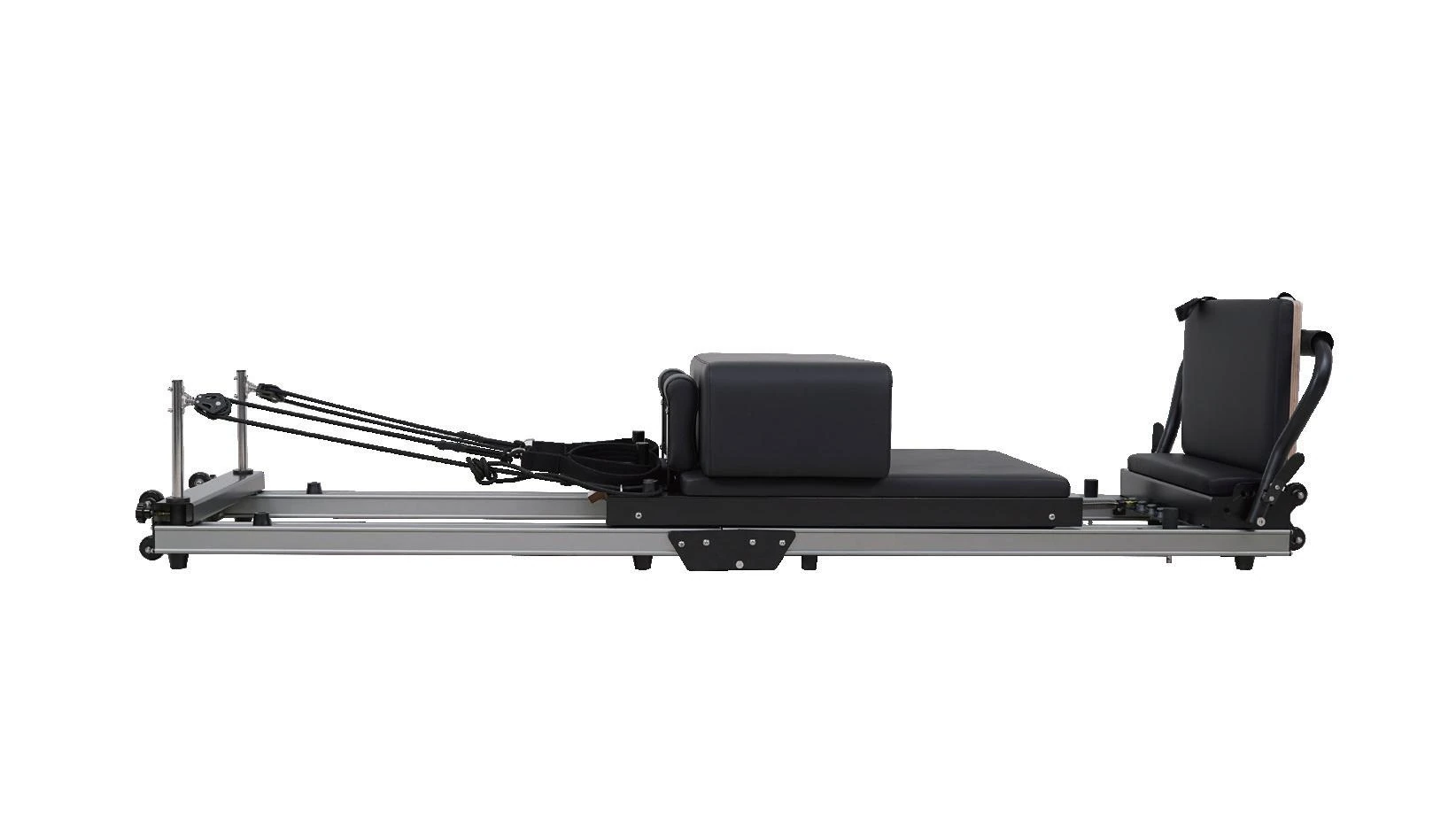 Foldable Reformers
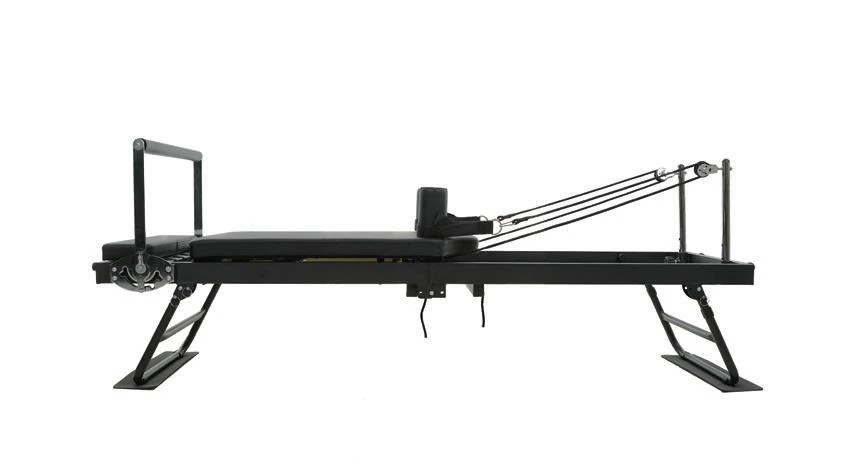 Foldable Reformers
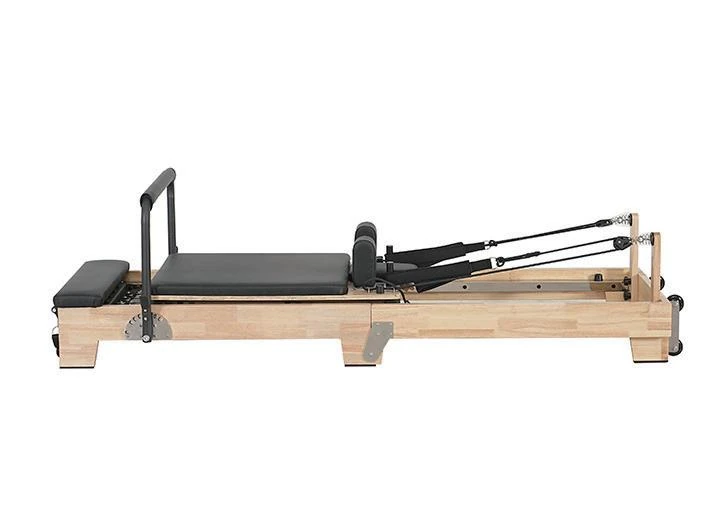 Foldable Reformers